 GearPort
Boat parts, explained properly
What each part of a boat is called, what it actually does, what tends to fail, and the parts we stock for it. Written by people who ship this hardware every day.
Parts of a boat
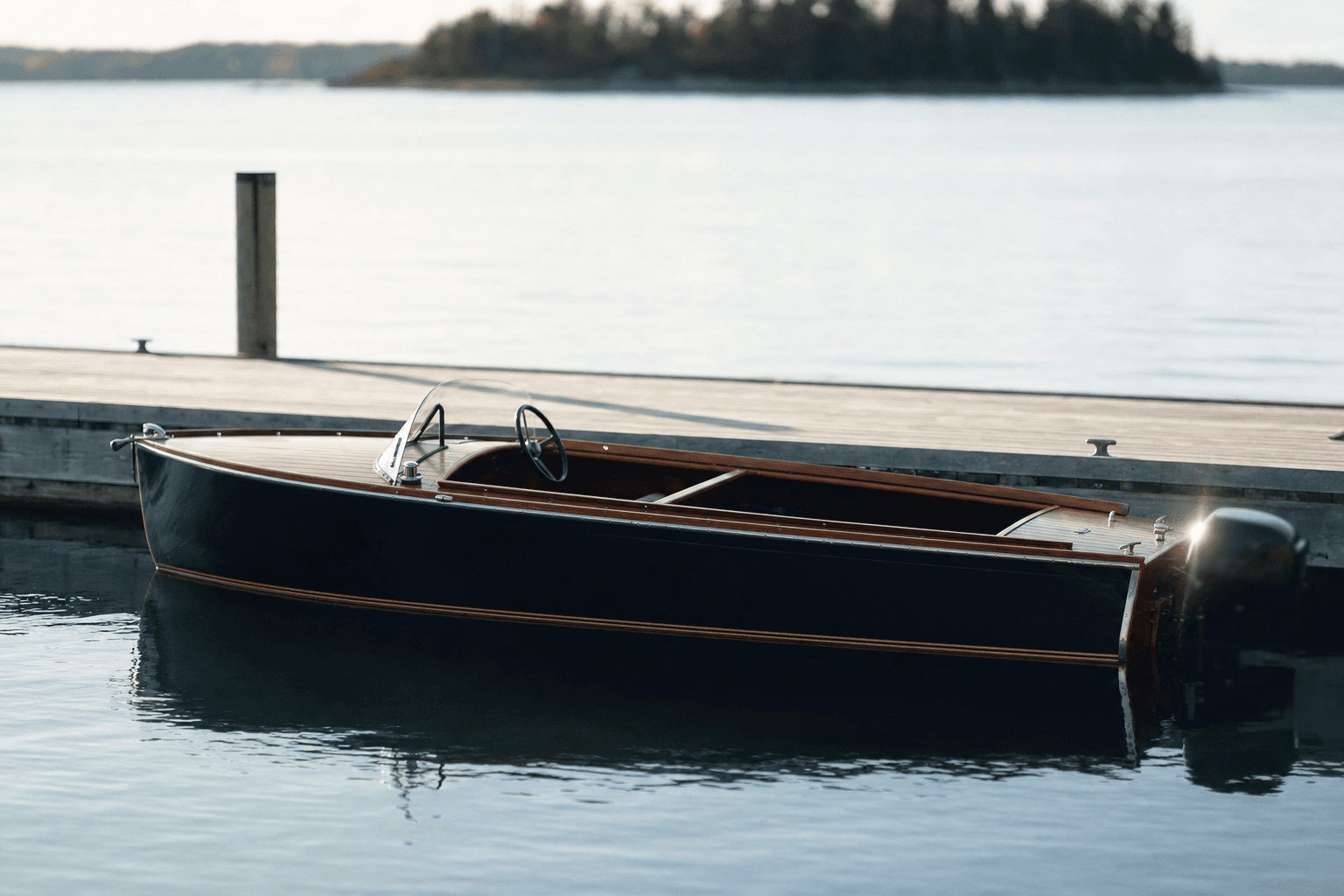 ReferenceThe parts of a boat, explainedA plain-English guide to the parts of a boat, from bow to stern, hull to gunwale, with what each part does and what commonly needs replacing.
 ReferenceTypes of rudders: from transom-hung to full ship ruddersEvery major rudder type explained: balanced, semi-balanced and unbalanced rudders, spade, skeg-hung, keel-hung and transom-hung designs, and high-lift flap and fishtail rudders.
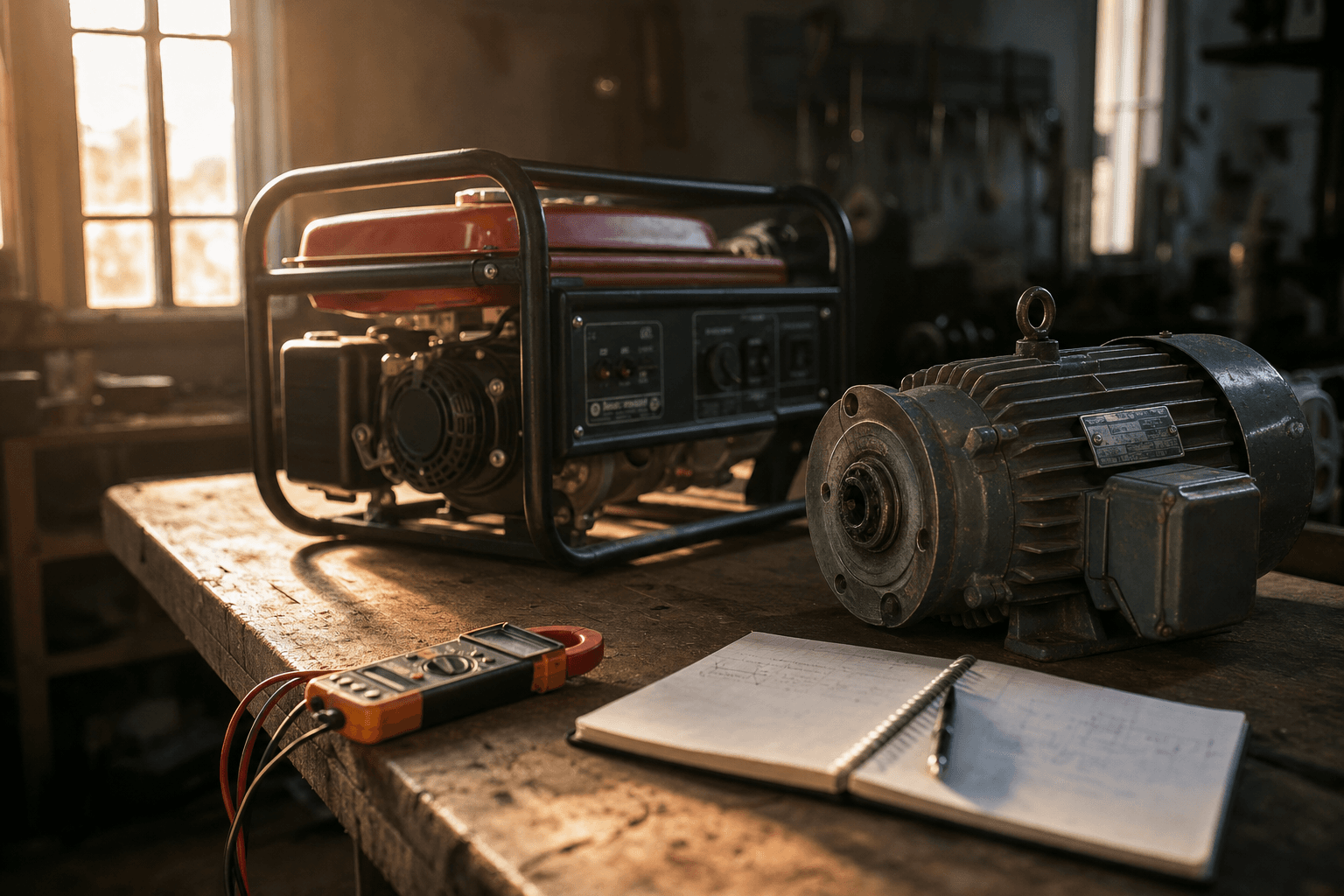 ReferenceKilowatts to Horsepower: Converting Generator and Motor RatingsOne kilowatt is about 1.341 horsepower. Get the formula both ways, a reference table for common ratings, and why generator kW and engine HP differ.
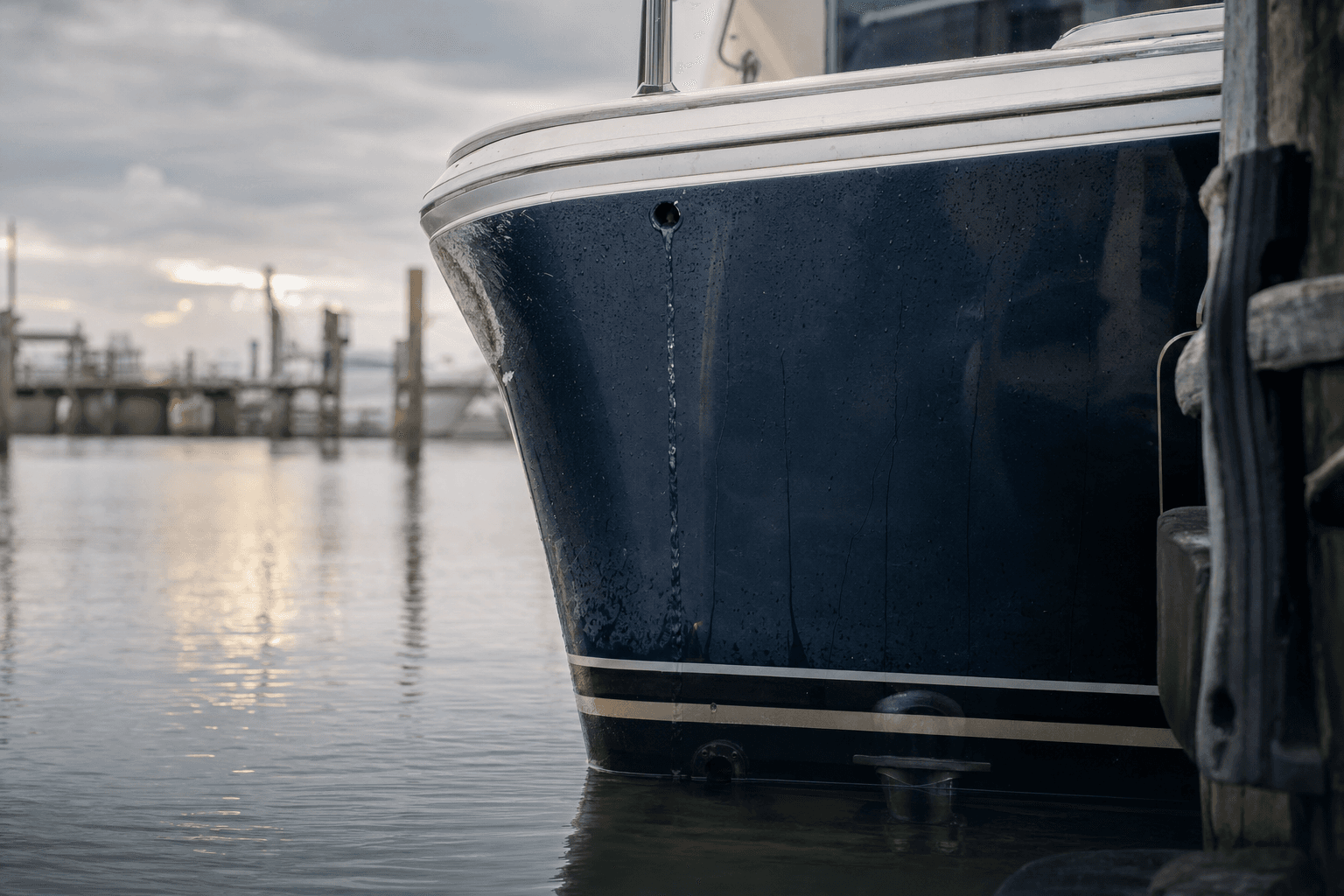 Parts of a boatThe stern and transom: what is back there and what failsWhat the stern and transom of a boat are, the difference between them, everything that mounts there, and the failures worth catching early.
 Parts of a boatThe bow: what is up front and what it has to surviveThe bow is the front of a boat and the stern is the back. Here is every part of the bow named, how bow shape changes the ride, and what fails up front.
 Parts of a boatThe hull: shapes, the parts of one, and what to watch below the waterlineThe parts of a boat hull explained: keel, chines, strakes and deadrise, what planing and displacement hulls do differently, and what to watch below the waterline.
 Parts of a boatThe rudder: how a boat steers, and what wears outWhat the rudder of a boat does, the parts it is made of, how cable, hydraulic and tiller steering connect to it, and what wears out.
 Parts of a boatTrim on a boat: engine trim, trim tabs, and how a hull is meant to rideWhat trim means on a boat, the difference between engine trim and trim tabs, tilt vs trim, how to fix porpoising and listing, and what fails in a trim system.
 Parts of a boatThe mast and rigging: every wire and line namedThe parts of a boat mast and its rigging explained: standing versus running rigging, shrouds, stays, spreaders and halyards, and what to inspect.
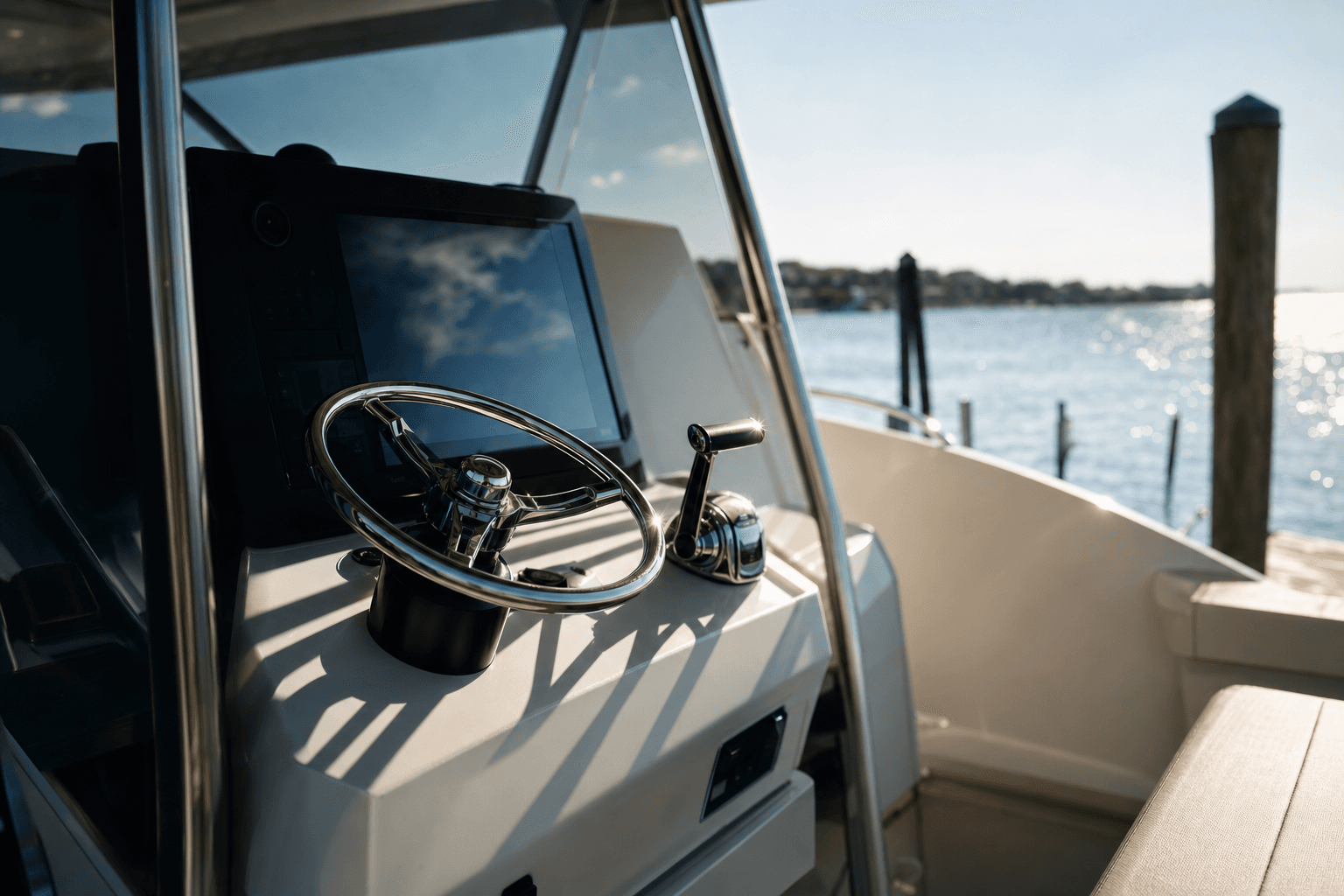 Parts of a boatThe helm and cockpit: the station you actually drive fromWhat the helm and cockpit of a boat are, the controls and seating that make up the station, and the corroded connections behind most helm faults.
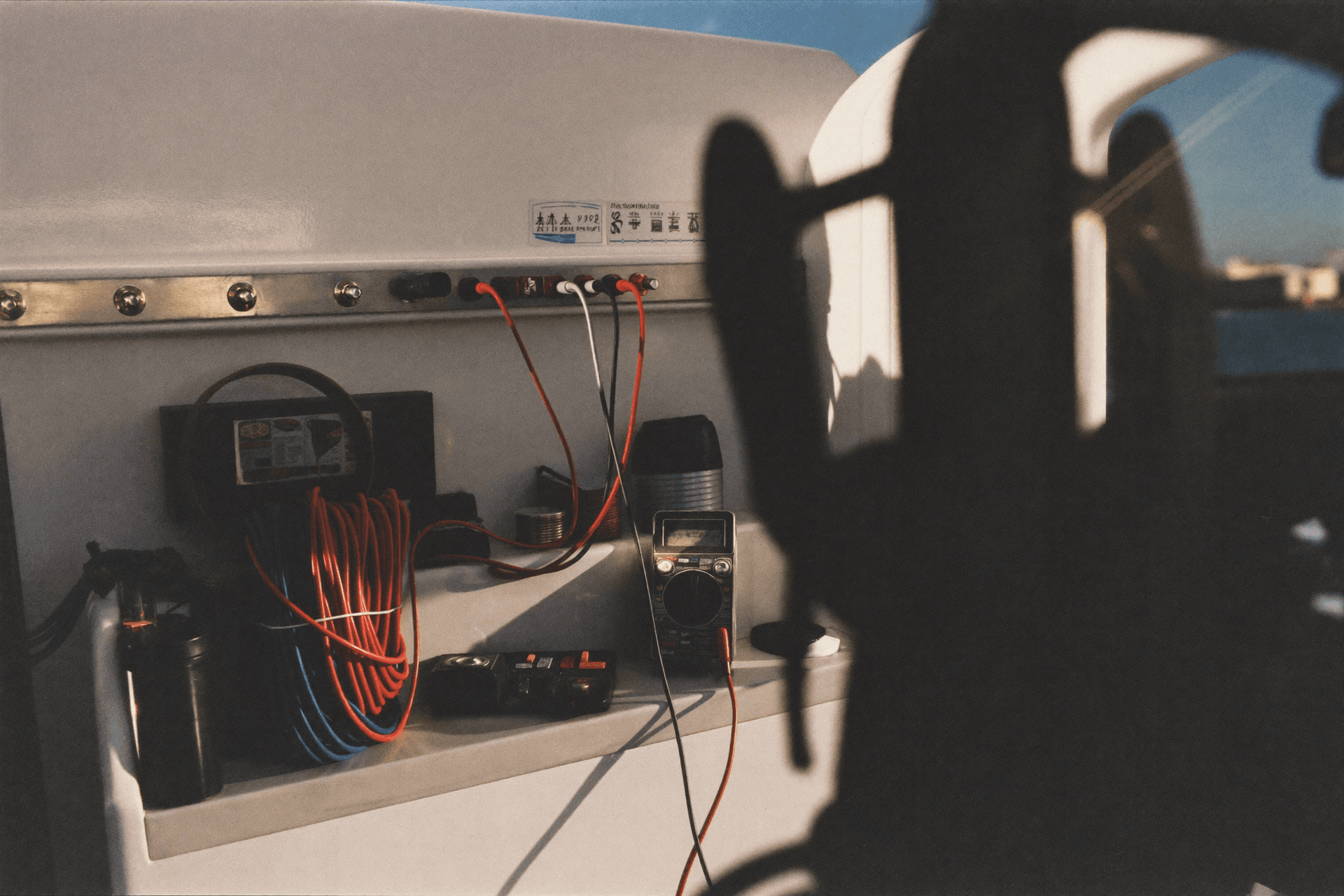 ReferenceVoltage explained: what volts mean for 12V boat and camp gearWhat voltage is in plain terms, how volts, amps and watts relate, what 12V really means, and how to measure voltage with a multimeter.
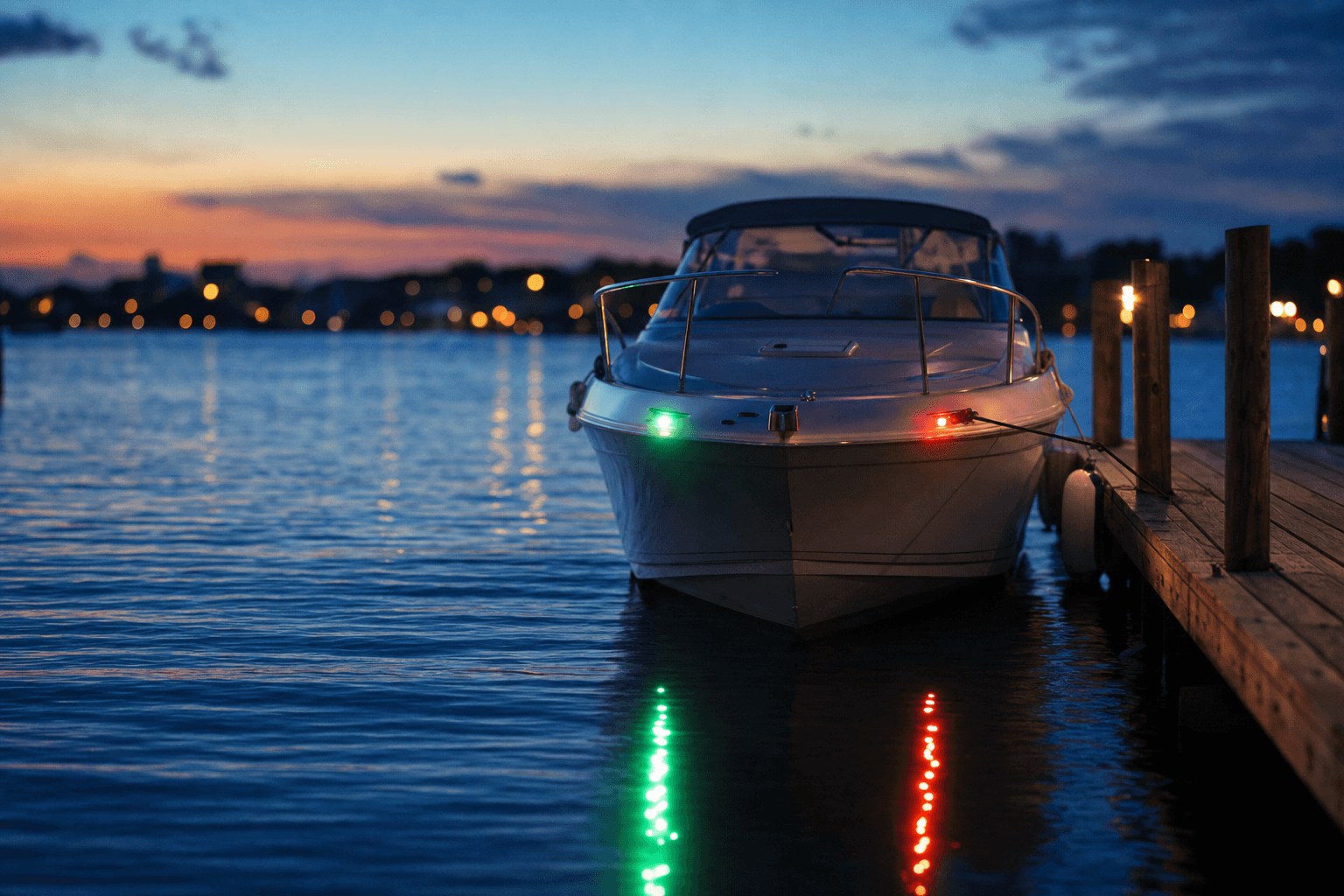 ReferencePort vs Starboard: What They Mean and How to Remember ThemPort is the left side of a boat facing forward, starboard is the right. Here is why the words exist, how to remember them, and how red and green lights
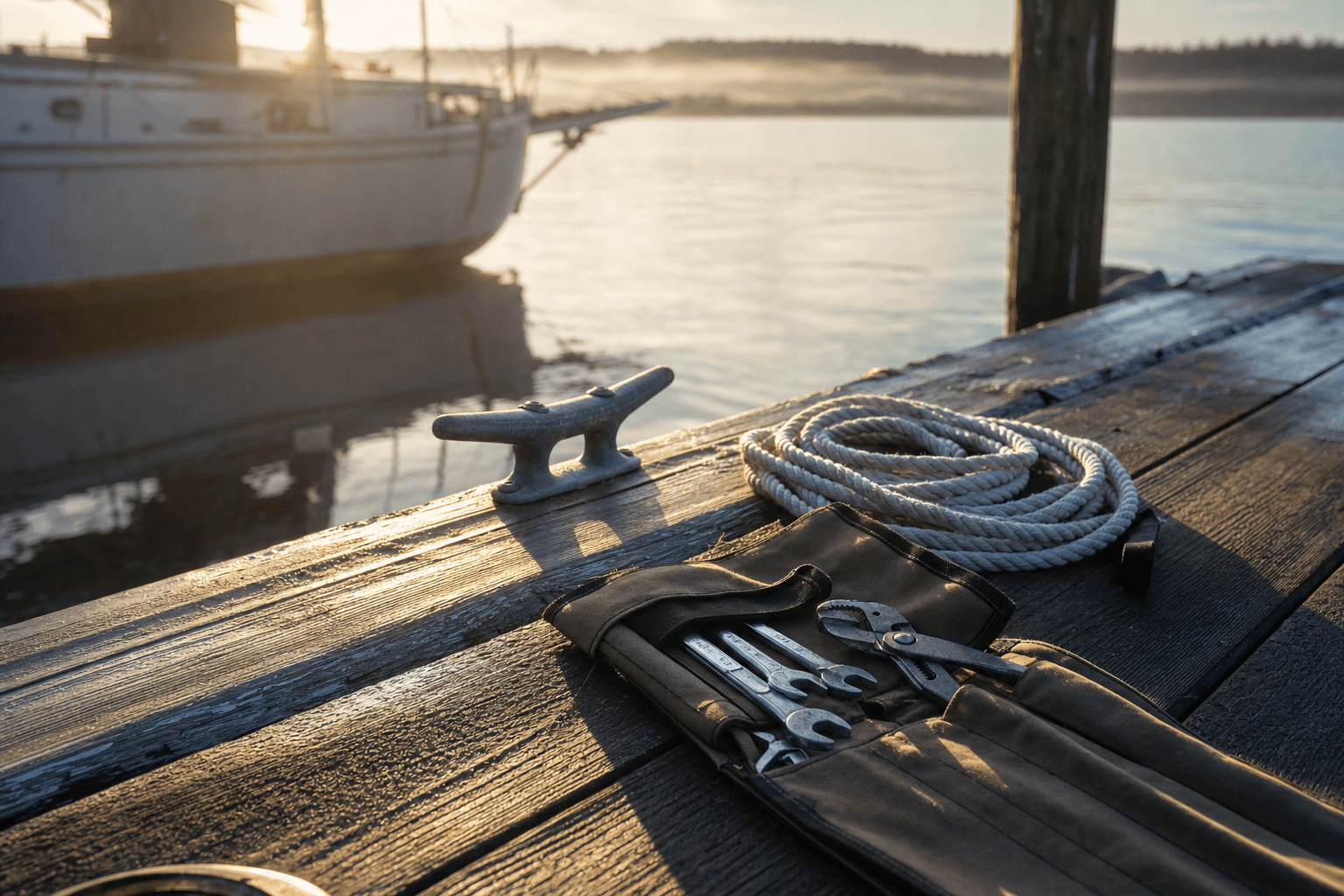 ReferencePort tools: the hand tools that live on a dock or in a boat lockerWhat people mean by port tools, plus the dock, onboard repair and electrical kits worth keeping, and how to pick sizes and materials that survive salt air.
Buying guides
What to buy and why, for the parts people ask about most. Written against the stock we actually carry.
 Buying guideHow to choose underwater boat lightsHow to choose underwater boat lights: what color to pick, how many you need, surface mount versus thru-hull, where they go on the transom and what to check before drilling.
 Buying guideNavigation light rules, and how to buy lights that meet themWhat navigation lights a boat must show, the arcs and visibility ranges in the rules, what a boat under 12 metres may substitute, and how to buy fittings that comply.
 Buying guideBilge pumps: what size, and how to wire one properlyHow to size a bilge pump, why the GPH on the box is not what you get, how automatic and float switch wiring works, and where the discharge should go.
 Buying guideMarine wiring: what to use, how to size it, how to protect itHow to wire a boat properly: why marine wire is tinned and stranded, what voltage drop means for the gauge, where circuit protection has to go, and how to make connections that survive a bilge.
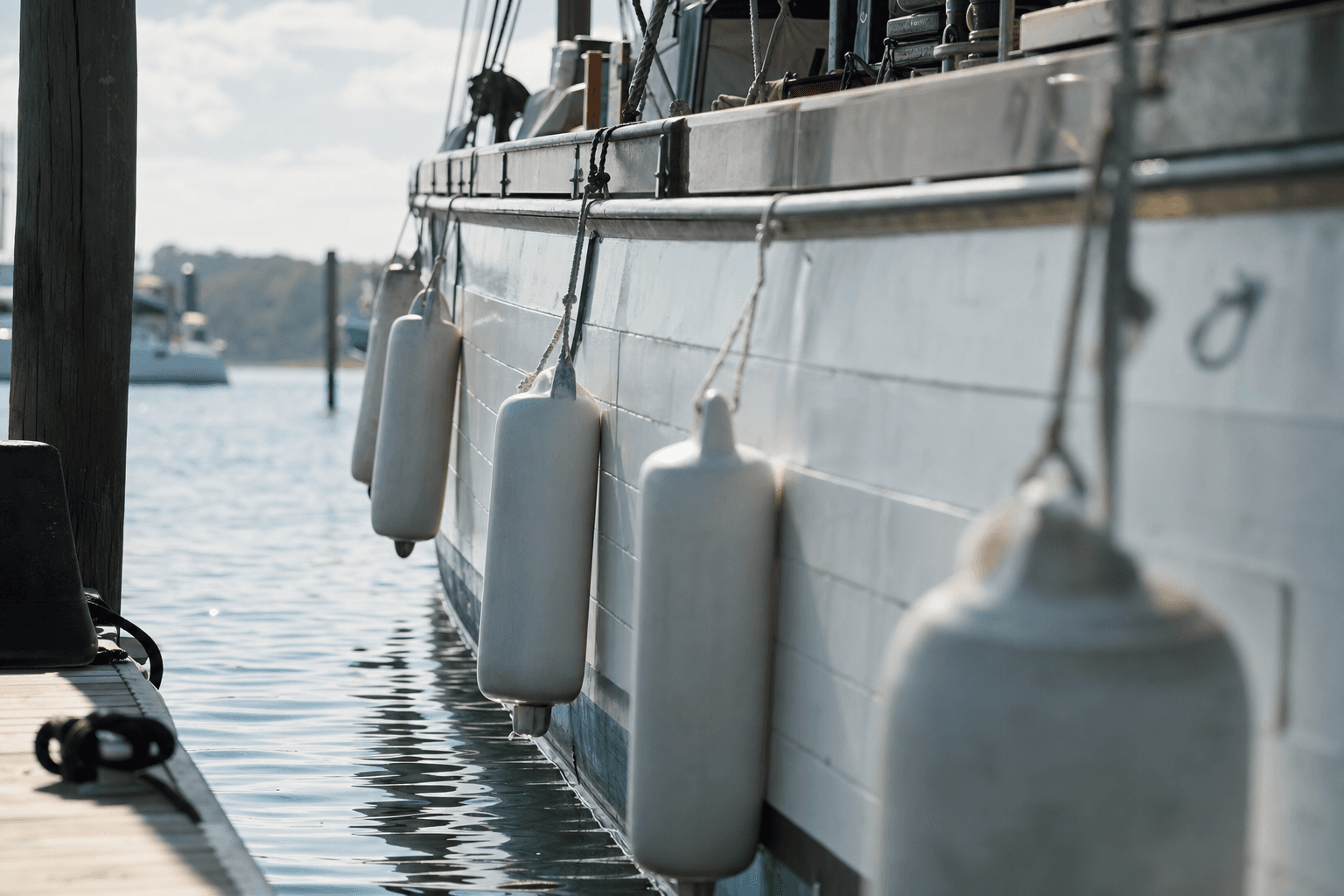 Buying guideFender sizing: what size, how many, and where they goA boat fender size chart by boat length, how many fenders you need, the difference between cylindrical and round fenders, and how to hang them so they actually protect the hull.
 Buying guideAnchor light rules: what a boat must show at anchorWhat anchor light a boat must display at night, the USCG Rule 30 requirements by vessel size, the under-7-meter and special anchorage exemptions, and how to buy a compliant light.
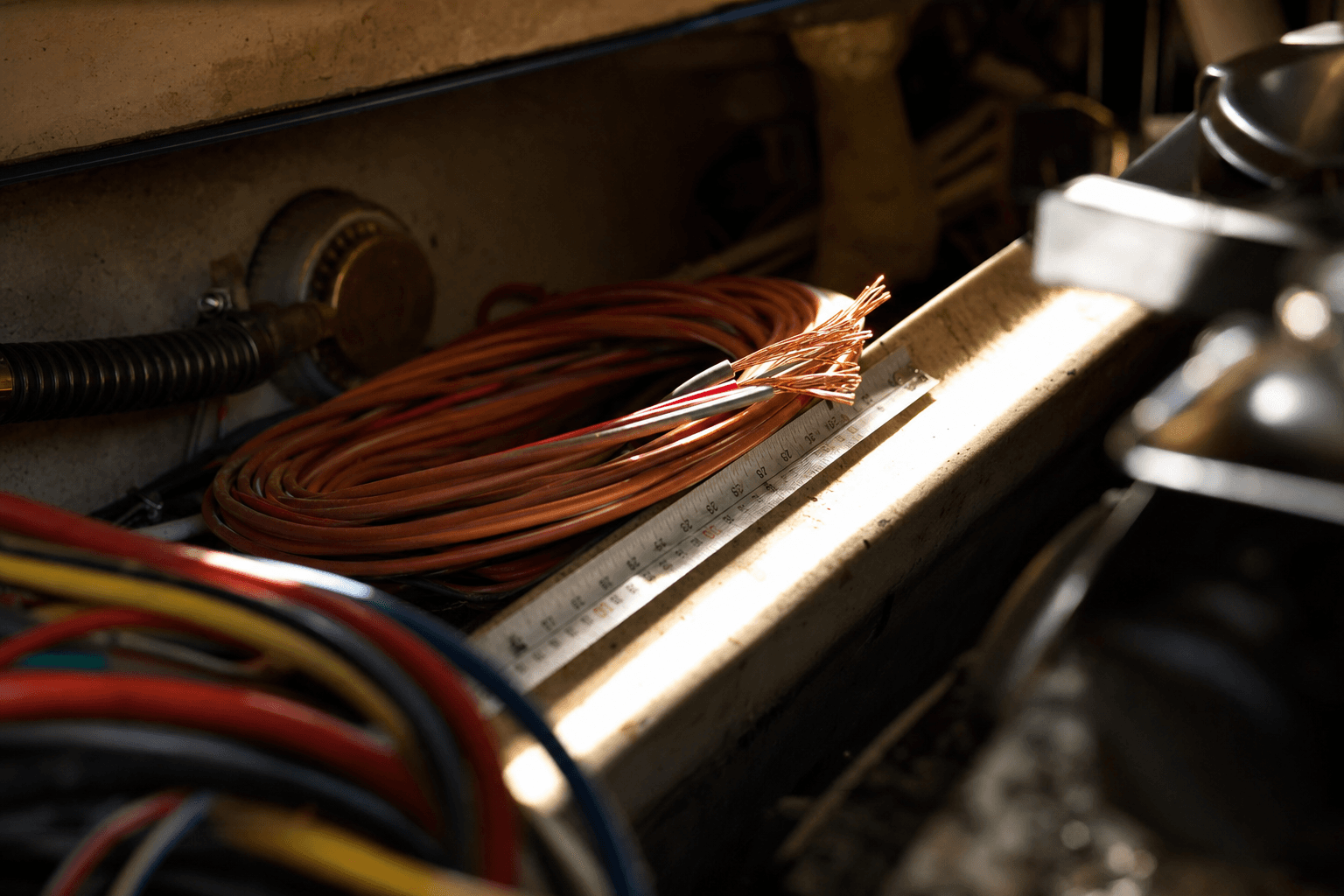 Buying guideMarine wire size chart: pick the gauge in one lookA 12 volt marine wire size chart built on the ABYC voltage drop formula: find the right AWG gauge from the current and the round-trip run, for critical and non-critical circuits.
 Buying guideThe electric helm: displays, gauges and digital switchingHow a modern boat helm dashboard fits together: analog gauges versus digital displays, multifunction displays, NMEA 2000 networking in plain language, and digital switching.
 Buying guideFishing Gear, Explained: Rods, Reels, Lures and NetsHow to build a fishing setup in order: rod, reel, line, lures and net. What the numbers on each label mean, plus bass, fly and kids kits.
 Reference guideFishing knots: which knot to tie, and when to use itA plain guide to fishing knots: hook knots, line to leader joins, loop knots, and how mono, fluorocarbon and braid change which knot you tie.
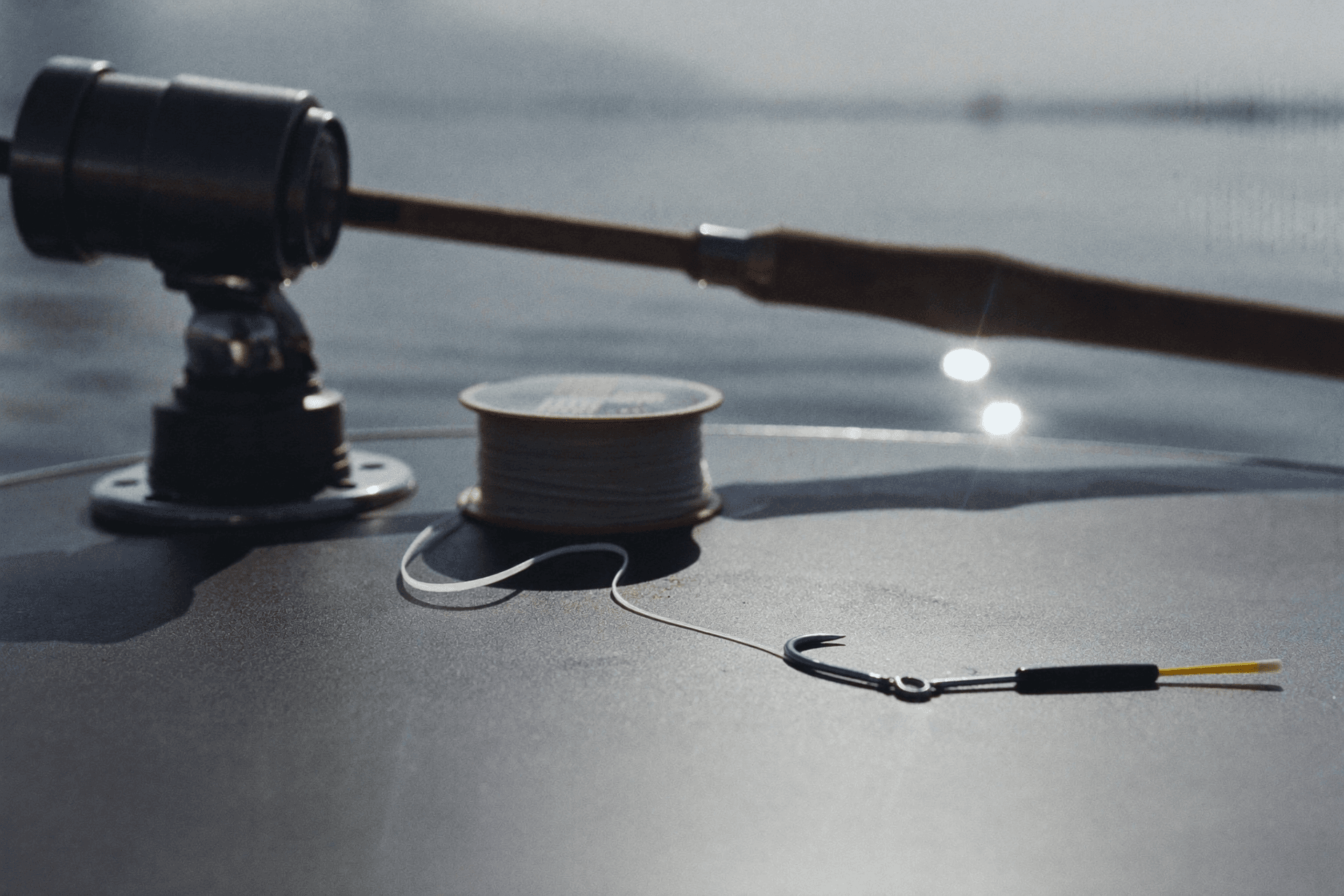 Fishing guideThe drop shot rig: how to tie it and what gear it needsHow to tie a drop shot rig step by step, plus how to choose hooks, weights, line, leader and a spinning rod that suits the technique.
 Buying guideBoat Seats: How to Choose the Right Seat for Your BoatBoat seat types explained: folding, pedestal, fixed and jon boat clamp-on. How to measure your deck, match a seat to your hull and pick mounting hardware.