 GearPort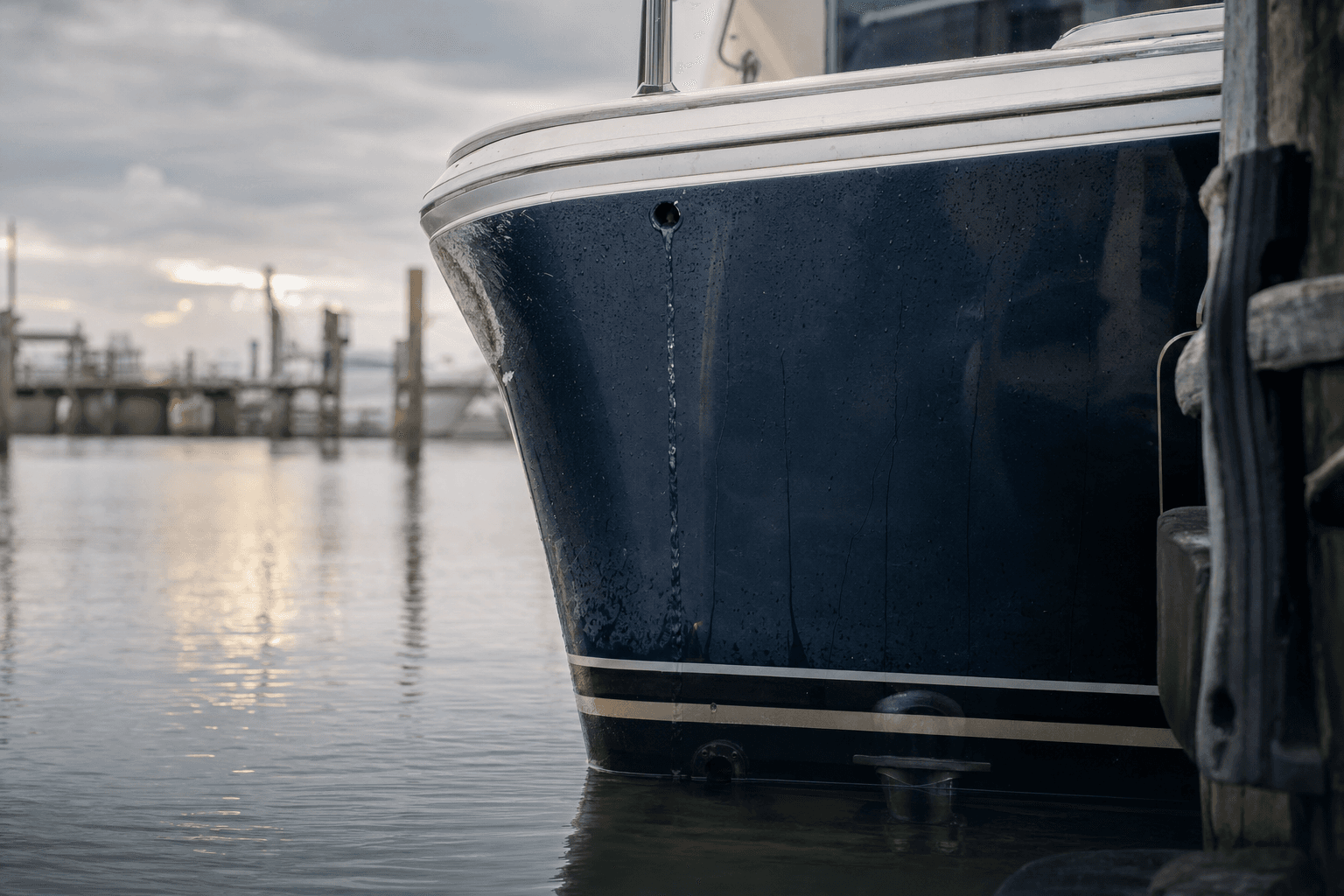
The stern and transom: what is back there and what fails
The stern is the back of the boat. The transom is the flat panel that closes it off. People use the words interchangeably and mostly get away with it, but the distinction matters the moment you are buying something: a stern light mounts on the deck at the back, while a transom-mount transducer bolts to the panel itself, below the waterline.
The stern is also where a boat concentrates its problems. It carries the engine, it feeds the engine's thrust into the hull, it is drilled more times than any other surface, and it sits lowest in the water at rest. Almost everything on this page is either something that bolts there or something that goes wrong there.
Stern, transom, aft and quarter
The stern is the whole back region of the boat, deck included. The transom is the structural panel across it, the piece the outboard clamps to. Aft is a direction meaning toward the stern. The quarter is the corner between the side and the stern, where corner caps protect the join and where a quarter line, sometimes called a stern line, leads ashore when you dock. Spring lines are a different job on the same dock plan: they run fore and aft from points nearer amidships to stop the boat surging back and forth in the berth.
If a listing says transom-mount, it means bolted or clamped to that flat panel, usually low and usually wet. If it says stern-mount, it usually means up on deck.
Types of transom
A full transom runs the complete height of the hull sides, closing the stern entirely. The outboard hangs on the panel or on a bracket behind it, and a full transom helps keep a following sea out of the cockpit, which is one reason it is common on offshore boats, where a self-bailing cockpit does the rest of the work.
A cut-out or notched transom is lowered in the middle so a standard-shaft outboard can reach the water. The notch is usually backed by a splash well, a basin that catches water coming over the lowered section before it reaches the cockpit. Simple and common, and the notch reduces freeboard at that point, which is the trade for letting a shorter shaft reach the water.
A euro transom, or integrated swim platform, extends the hull aft into a molded platform with the working transom forward of it. It adds boarding space and a cleaner look, and it moves everything you would bolt to the transom into a space that needs a little more planning.
A bracket-mounted transom is a full transom with the engine carried on a setback bracket behind it. The bracket buys a drier cockpit and mounts the engine in cleaner water behind the hull, with the setback distance varying by bracket and hull, and it changes the boat's balance, which is why brackets are matched to the hull rather than bolted on casually.
On ships the phrase transom stern means the design itself: a stern that ends in a flat panel rather than tapering to a point the way a canoe or cruiser stern does. The flat stern adds buoyancy and deck area aft, is simpler to build, and suits hulls that run at speed, which is why it is the dominant form on modern powerboats and widely used on commercial ships.
Everything that mounts on a transom
The engine. On an outboard boat the motor clamps or bolts directly through the transom, which is why its thickness and core condition are not academic. Some boats carry the motor on a jack plate, a spacer between engine and transom that sets it further aft and higher, so the lower unit sits less deep in shallow water.
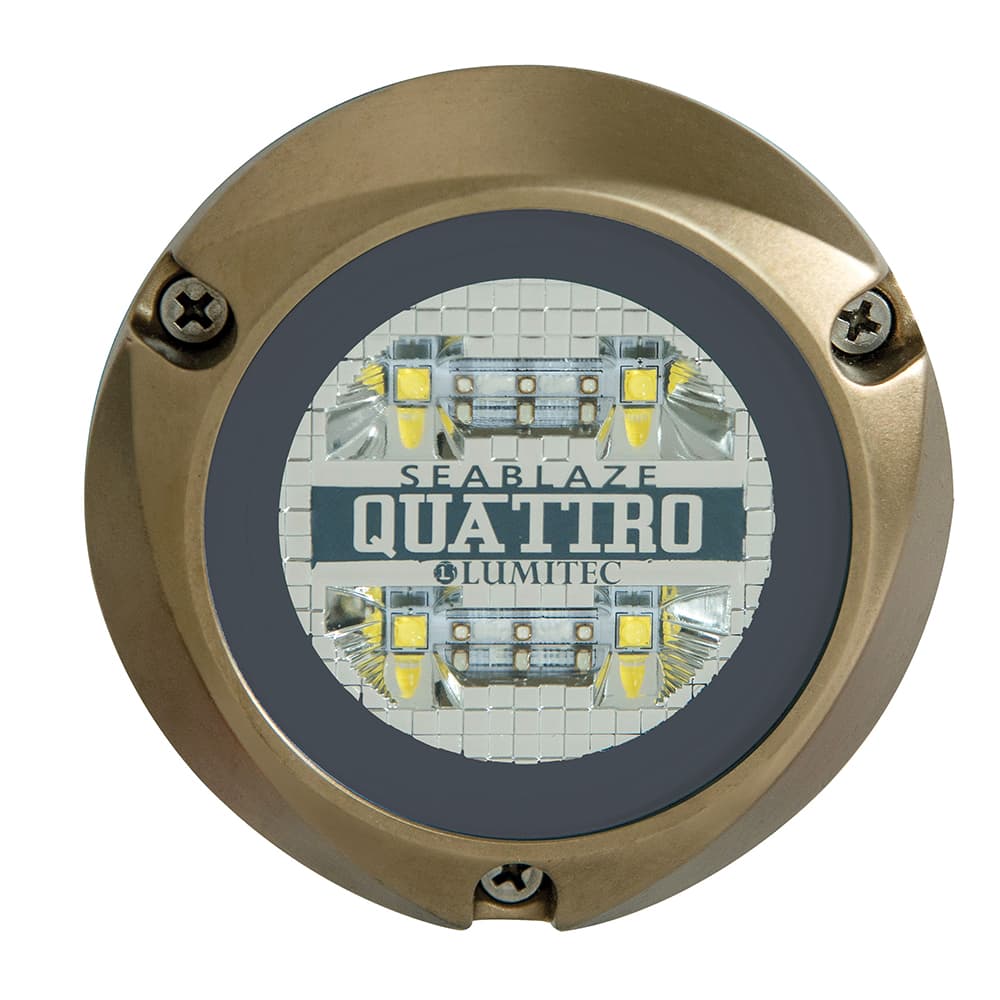
Trim tabs. Two plates bolted along the bottom edge of the transom and angled down to push the bow down. What they actually do, when to use them and how they differ from engine trim is the subject of the trim guide.
A transducer. The sonar eye for a fishfinder, mounted low on the transom on the side away from the prop wash so it reads clean water at speed. Get the placement wrong and the unit reads fine at rest and loses bottom lock as the speed comes up.
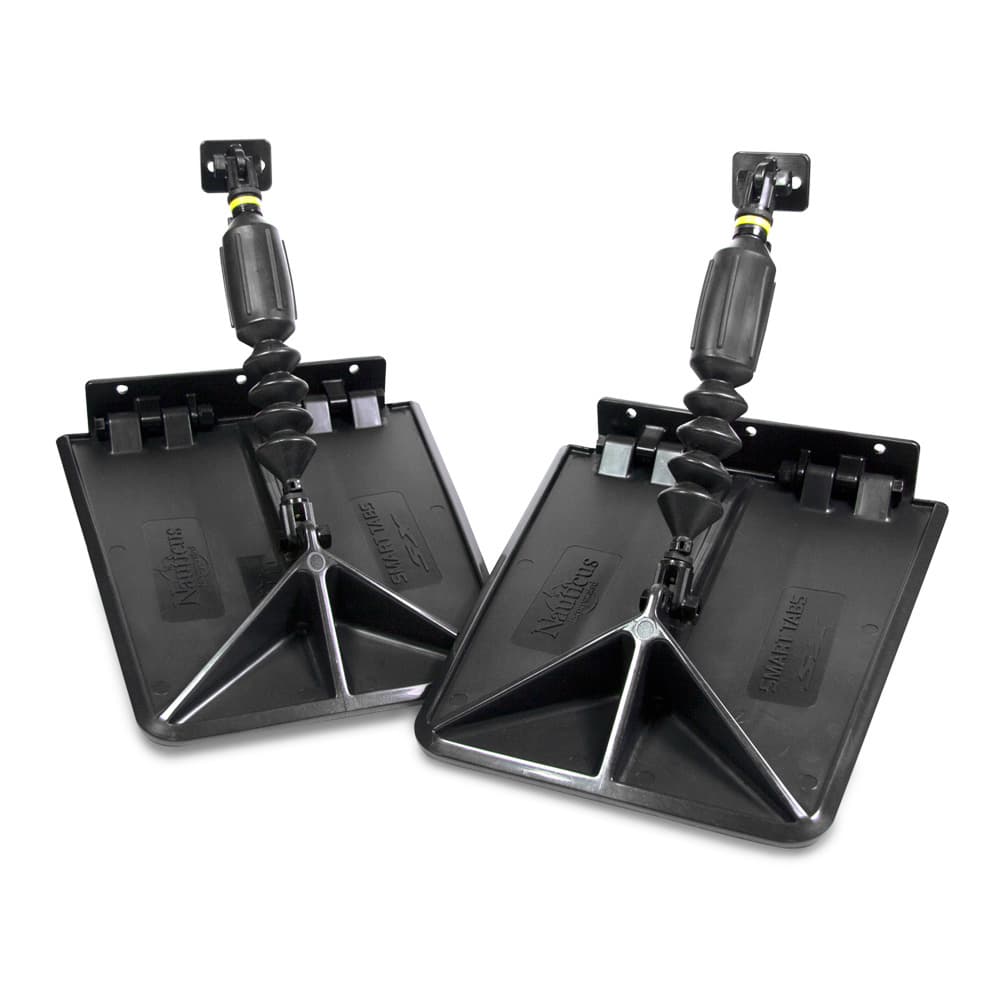
Underwater lights. The transom below the waterline is the usual location, though hull sides and the underside of a swim platform are also used.
The boarding ladder and swim platform, the garboard drain plug that lets the bilge drain on the trailer, scuppers that drain the cockpit, sacrificial anodes, and the skeg guard protecting the fin under the lower unit.
Underwater lights on the transom
Underwater lights mount below the waterline, most often on the transom either side of the centerline and clear of the propeller. Check what sits behind the spot from inside the boat before you drill, then bed the fitting properly and run its cable to a switched, fused circuit, because a light that leaks is a hole below the waterline. Placement, how many to fit and what color to choose are covered in the underwater boat lights guide.
What actually goes wrong back there
A soft transom. Many fiberglass transoms are cored with plywood. Water gets in through a bolt hole that was never sealed, or one that was sealed with the wrong product years ago, and the core rots quietly from the inside. The tell is flex: have someone lift and drop the lower unit while you watch the transom, or push hard on the top edge with the engine trimmed up. Movement, cracking sounds or a spongy feel around fastenings all mean investigate before you add anything else to that panel.
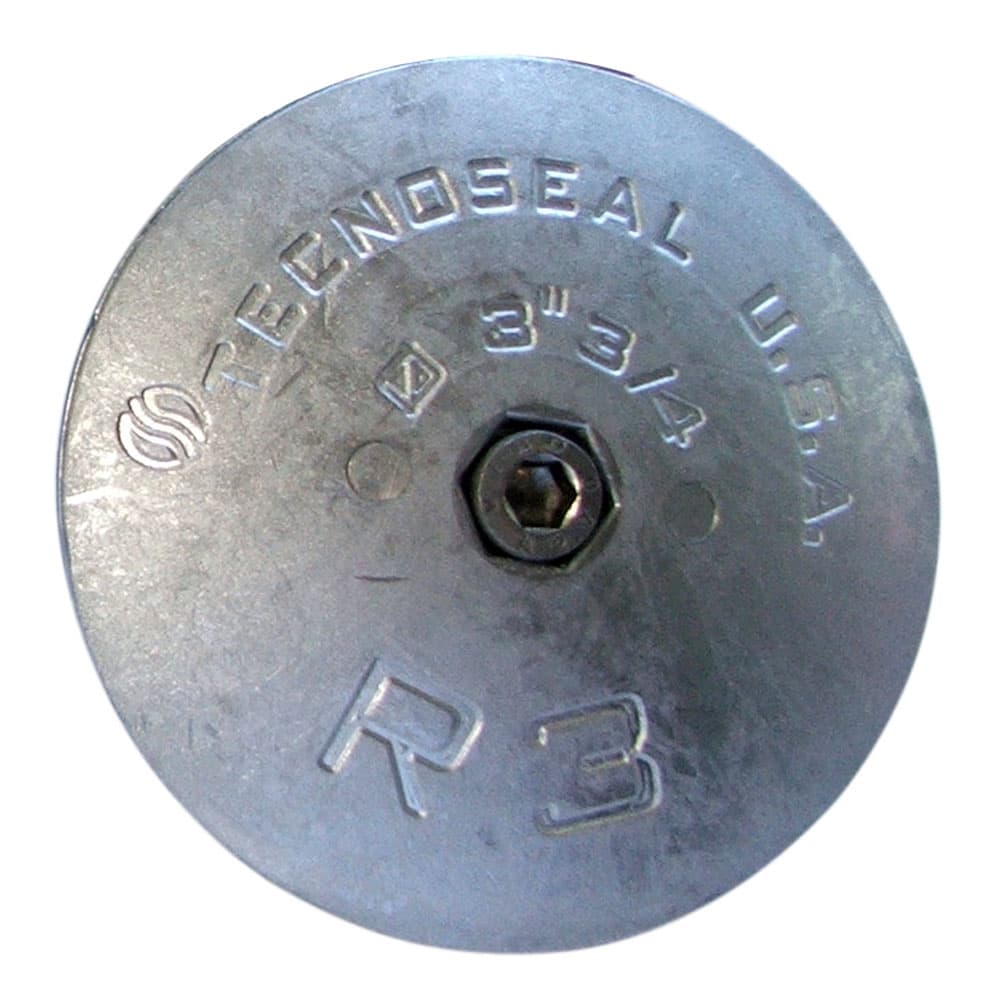
Corrosion on aluminum. An aluminum boat transom suffers galvanic corrosion instead of rot, made worse by stainless hardware fitted without isolation and by tired anodes. Check anodes every season and replace them well before they are gone, because they are doing their job by disappearing.
Stress cracks around fastenings. Gelcoat cracks radiating from a bolt indicate a load spread over too small an area. The fix is a proper backing plate on the inside, not a bigger washer.
Leaks at the drain plug and scuppers. The cheapest failure on the list and the most common source of that mystery water in the bilge. Plugs wear, scupper flappers stiffen and stop sealing.
One rule covers most transom work: any hole below the waterline is a decision, not a detail. The common workshop method on a cored transom is to over-drill the hole and fill the void with thickened epoxy so the fastening never touches the core, bed the fitting with a marine sealant rated for below-waterline use, and fit backing plates behind anything that carries load.
Buying notes for stern hardware
Where you are choosing fastenings for anything permanently wet, 316 stainless is the grade to look for rather than 304. Both are stainless, but 316 holds up better to salt, and that matters most in the joints you cannot inspect.
Match the sealant to the job. For bedding hardware you may one day want to remove, use a sealant that stays removable: a marine polysulfide is the traditional choice, and a lower-strength polyether does the same job, with the caution that polysulfide attacks some plastics, so check the label before putting it near an acrylic or ABS fitting. Structural polyurethane adhesive sealants, the 5200-grade products, are close to permanent and are the wrong choice for anything you expect to take off again. Use epoxy for filling a cored hole you never want water to find. Silicone is the wrong answer for structural or below-waterline bedding, though it is fine for non-structural work above the water such as bedding a plastic lens.
Buy anodes in the right alloy for your water. Aluminum alloy anodes suit salt and brackish water and some are rated for fresh water as well, and magnesium is the usual fresh water choice. Zinc, the traditional salt water alloy, films over and stops protecting in fresh water, which is the quiet way to have an anode fitted and no protection, so match the alloy to where the boat actually sits.
Underwater lights for the transom
Surface-mount and thru-hull LEDs from Lumitec, Hella Marine, Attwood and OceanLED, including full RGBW spectrum units you control from the helm.
Trim tabs and jack plate hardware
Complete trim tab kits from Lectrotab, Lenco and Bennett, replacement blades, actuators, and hole shot plates for jack plates.
Stern fittings and skeg protection
Megaware stainless skeg guards, teak swim platforms and transom fittings.
Anodes and marine sealant
Sacrificial anodes for trim tabs, drives and hulls, and the marine sealants used to bed hardware into a transom.
Common questions
- What is the transom on a boat?
- The flat panel across the back of the boat that closes off the stern. On an outboard boat it carries the engine and transfers its thrust and weight into the hull structure, which makes it one of the most heavily loaded areas on the boat.
- What is the difference between the stern and the transom?
- The stern is the whole back region of the boat including the deck area. The transom is the structural panel across it. A stern light usually mounts up on deck; a transom-mount accessory bolts to the panel itself.
- What are the types of transom?
- Full transoms that close the stern completely, cut-out or notched transoms lowered so an outboard can reach the water, euro transoms that extend into an integrated swim platform, and full transoms with the engine on a setback bracket behind them. On ships, a transom stern means the hull ends in a flat panel rather than tapering like a canoe stern.
- What is a transom stern on a ship?
- A stern that ends in a flat transverse panel instead of tapering to a point. It adds buoyancy and deck area aft, simplifies construction, and performs well on hulls that run at speed, which is why it is the dominant form on modern powerboats and widely used on commercial ships.
- Where should a transom-mount transducer go?
- Low on the transom and on the side away from the propeller wash, so it sits in clean water once the boat is moving. A transducer in aerated water reads fine at rest and loses bottom lock as the speed comes up.
- How do I know if my transom is rotten?
- Look for flex and cracking. Have someone raise and drop the lower unit while you watch the panel, or push hard on the top edge with the engine trimmed up. Movement, cracking noises or a spongy feel near fastenings all point to a wet core that needs investigating before anything else is mounted there. Rust staining around a bolt is worth a look too, though it more often means a corroding fastener or trapped moisture than a rotten core.